How Does CNC Machining Achieve Low-Carbon Emissions and Resource Recycling?
CNC machining has revolutionized modern manufacturing with its precision, efficiency, and automation. However, as industries shift toward sustainability, CNC machining is also evolving to minimize environmental impact. This article explores how CNC machining contributes to low-carbon emissions and resource recycling while maintaining high-quality outputs like mirror finishing and leveraging advanced techniques such as automated welding.
The Role of CNC Machining in Reducing Carbon Emissions
CNC machining plays a crucial role in lowering carbon emissions through several key strategies:
Energy-Efficient Machinery: Modern CNC machines are designed to consume less energy while maintaining high productivity. Variable-speed drives and intelligent power management systems help reduce electricity usage.
Minimal Material Waste: CNC machining ensures precise cuts, reducing material waste significantly. Advanced software optimizes tool paths to maximize material usage, lowering the need for raw materials.
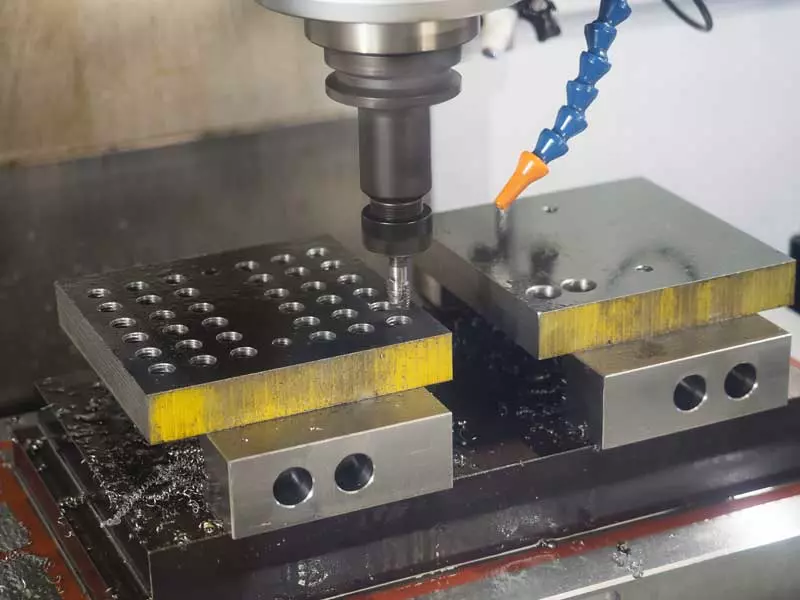
Automated Processes: Automation reduces human error and unnecessary machine idling, leading to lower energy consumption. Automated welding further enhances efficiency by ensuring consistent, high-quality joins with minimal rework.
Enhancing Sustainability with Mirror Finishing
One of the standout features of CNC machining is its ability to achieve mirror finishing, a high-gloss surface treatment that eliminates the need for additional coatings. This process reduces the reliance on chemical treatments, which often contribute to pollution. Since mirror-finished parts require less post-processing, energy consumption and waste generation are minimized.
Resource Recycling in CNC Machining
CNC machining supports resource recycling through:
Metal Chip Recycling: The machining process generates metal chips, which can be collected, melted, and reused in new production cycles.
Coolant and Lubricant Recovery: Advanced filtration systems enable the reuse of coolants and lubricants, reducing hazardous waste.
Scrap Metal Reclamation: Excess material from CNC machining can be repurposed, ensuring sustainable material utilization.
The Future of Sustainable CNC Machining
As industries continue to prioritize sustainability, CNC machining will integrate more eco-friendly innovations, including:
Hybrid CNC machines powered by renewable energy.
AI-driven optimization for further waste reduction.
Expanded use of biodegradable coolants.
By embracing these advancements, CNC machining can maintain its high precision—such as in mirror finishing and automated welding—while significantly reducing its environmental footprint.
In conclusion, CNC machining is at the forefront of sustainable manufacturing, balancing efficiency with eco-conscious practices to achieve low-carbon emissions and resource recycling.
Previous: How to Select the Right Wire Cutting Equipment for Your Needs?
Next: No More

Resources
Latest News
Contact Us
Chelutian, Tong'an Village Group, Baimiao Village Committee, Siqian Town, Xinhui District, Jiangmen City, Guangdong Province, China